Practical
Curaçao for first-time visitors: money, language, plugs and other practical tips
The things guests ask us most before their first trip: which currency to bring, what language is spoken, whether the tap water is safe, which plug you need, tipping, mosquitoes and more.
3 min read
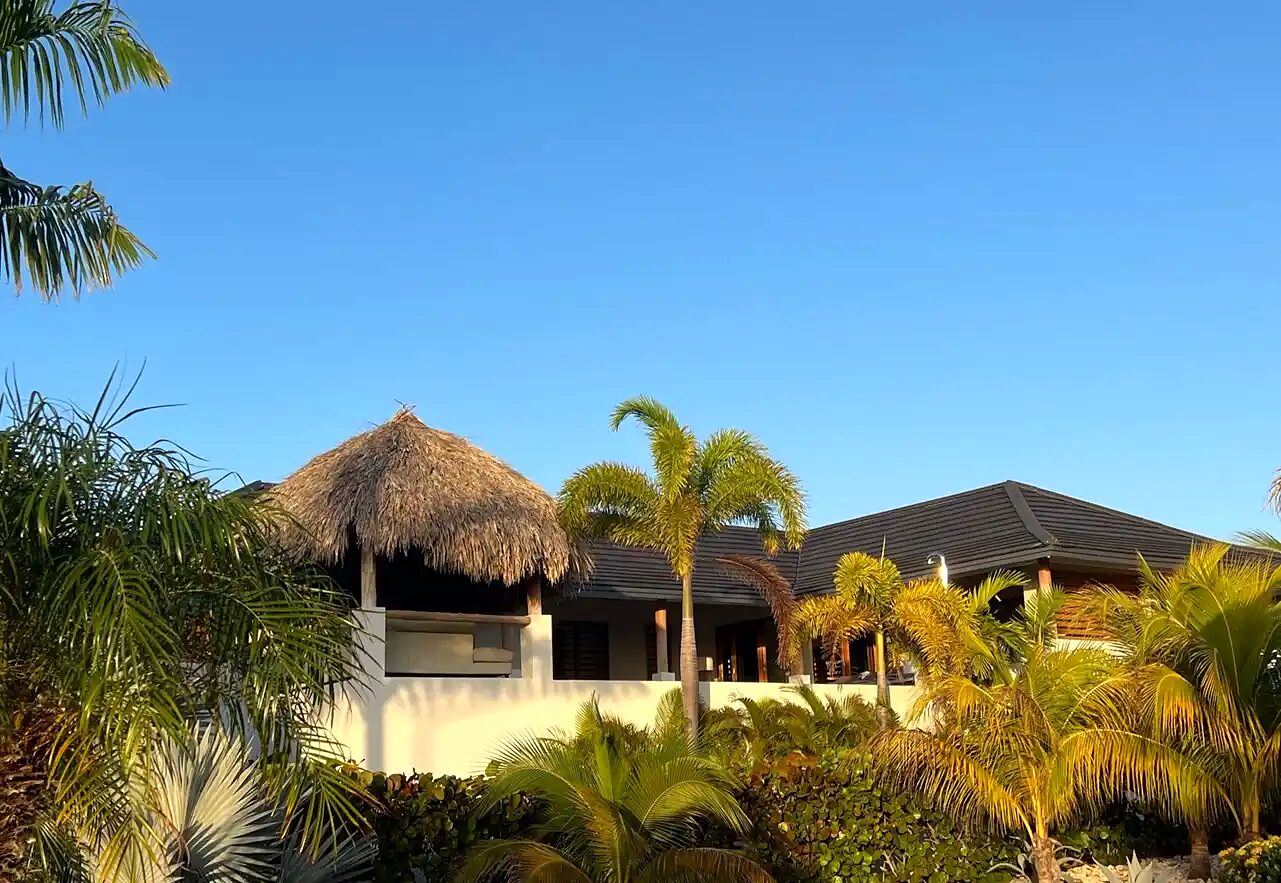
Curaçao is part of the Kingdom of the Netherlands, which makes it a very easy island for European visitors — and a slightly unexpected one for everyone else. Here are the answers to the questions our guests ask most often, in one place.
Money
The local currency is the Caribbean guilder (abbreviated Cg or XCG), which replaced the Netherlands Antillean guilder in 2025 at the same fixed rate of 1.79 to the US dollar. In practice you rarely need cash: US dollars are accepted almost everywhere, and debit and credit cards work in supermarkets, restaurants, beach clubs and petrol stations. Euros are accepted only occasionally and at a poor rate. Take a small amount of guilders or dollars from an ATM for markets, tips and the smaller beach bars.
Language
Papiamentu is the mother tongue of most islanders, and Dutch, English and Spanish are spoken everywhere. You will be understood in any of them. Learn two words: bon dia (good morning) and danki (thank you) — they are always appreciated.
Electricity and phones
Curaçao uses 127 volts at 50 Hz with American-style flat-pin plugs (types A and B). Phone and laptop chargers are almost all dual-voltage and only need a plug adapter; hair dryers and other European appliances may not work properly. The villa has adapters, and our hair dryers are local. Mobile coverage is good; EU roaming does not apply, so buy a local SIM or an eSIM data plan, or simply use the villa's fast Wi-Fi.
Water, food and health
- Tap water is safe and tastes good — it is desalinated seawater. No need to buy bottles.
- Supermarkets are well stocked with Dutch and American products; the nearest is a five-minute drive from the villa, with a large one at Jan Thiel.
- No vaccinations are required. Bring mosquito repellent for the evenings, especially after rain — dengue occurs occasionally on the island.
- The sun is very strong all year; SPF 30 or higher, reef-safe, every day.
- Healthcare is good: the Curaçao Medical Center in Willemstad is a modern hospital, and there are pharmacies and doctors in Jan Thiel. Take out travel insurance.
- Emergency number: 911 for police, 912 for an ambulance.
Tipping and prices
Restaurants usually add a service charge of about 10 percent; if not, 10 to 15 percent is customary. Round up for taxis and tip a dollar or two per bag for porters and per day for cleaners. Prices on Curaçao are roughly Dutch or a little above, with imported food and restaurant meals on the higher side and local dishes, fish and rum on the lower.
Time zone and rhythms
Curaçao is on Atlantic Standard Time (UTC−4) all year: five hours behind the Netherlands in winter, six in summer. The sun rises around 6:30 and sets between 18:15 and 19:00 all year, with a short dusk. Islanders start early and eat lunch as the main meal; shops close in the early evening, and Sunday is a family day when many businesses are shut and the beaches are full.
Arriving at Villa Martini
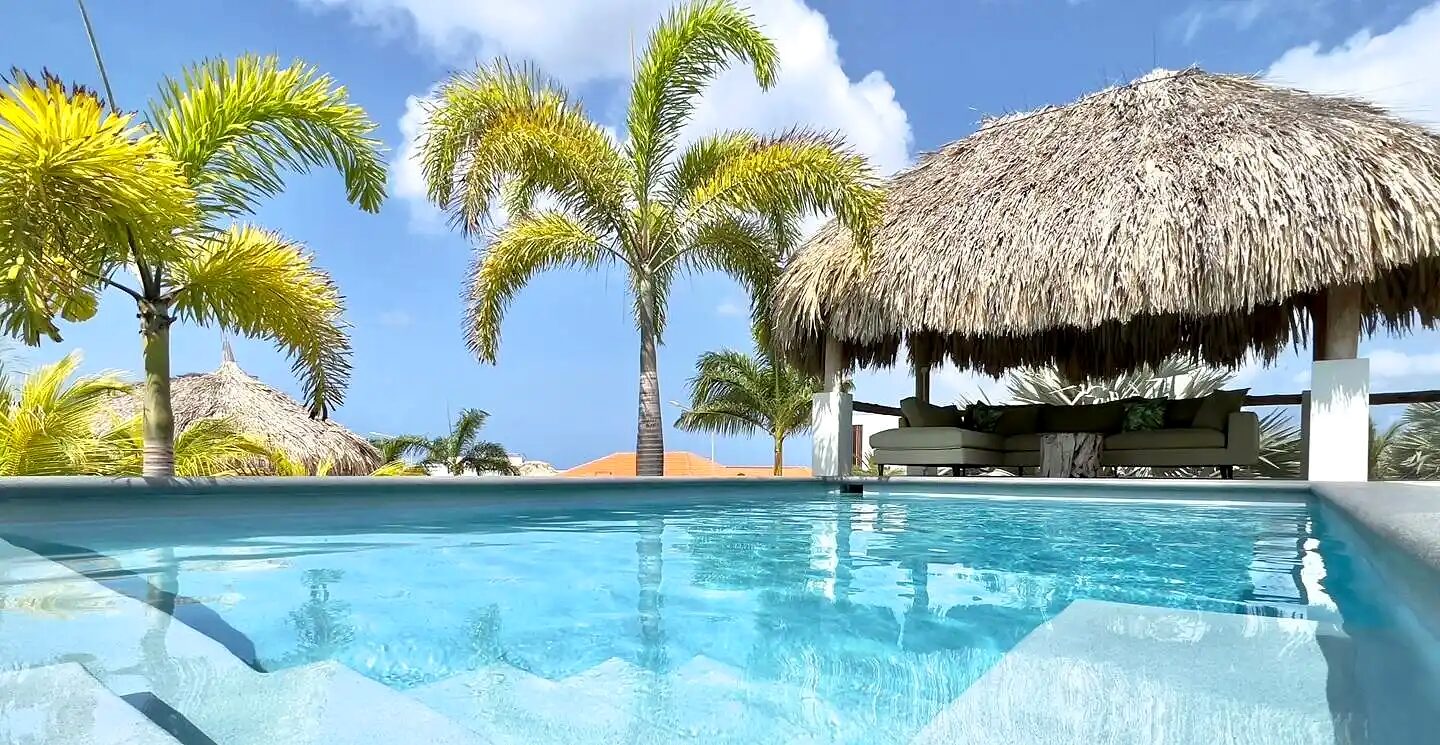
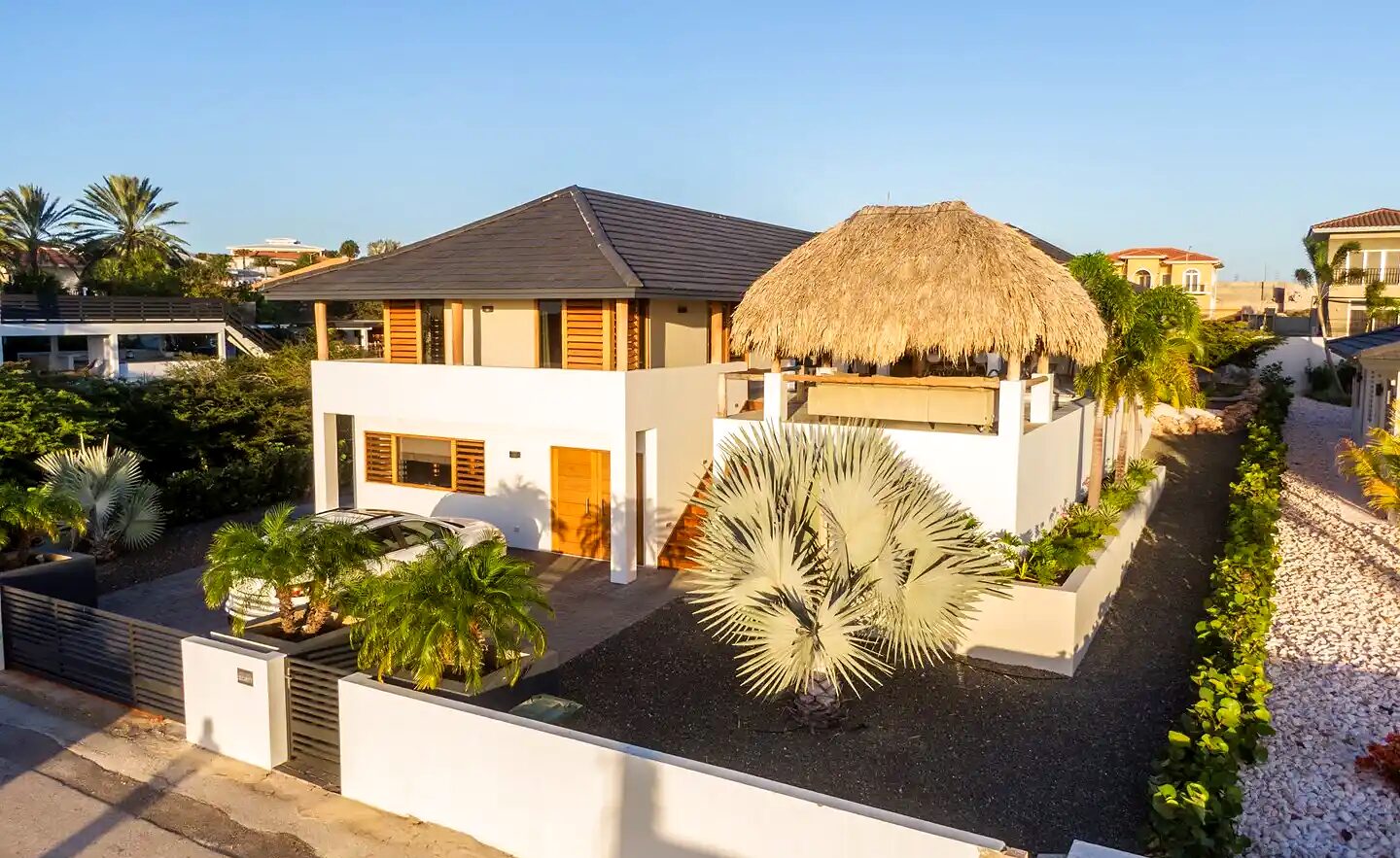
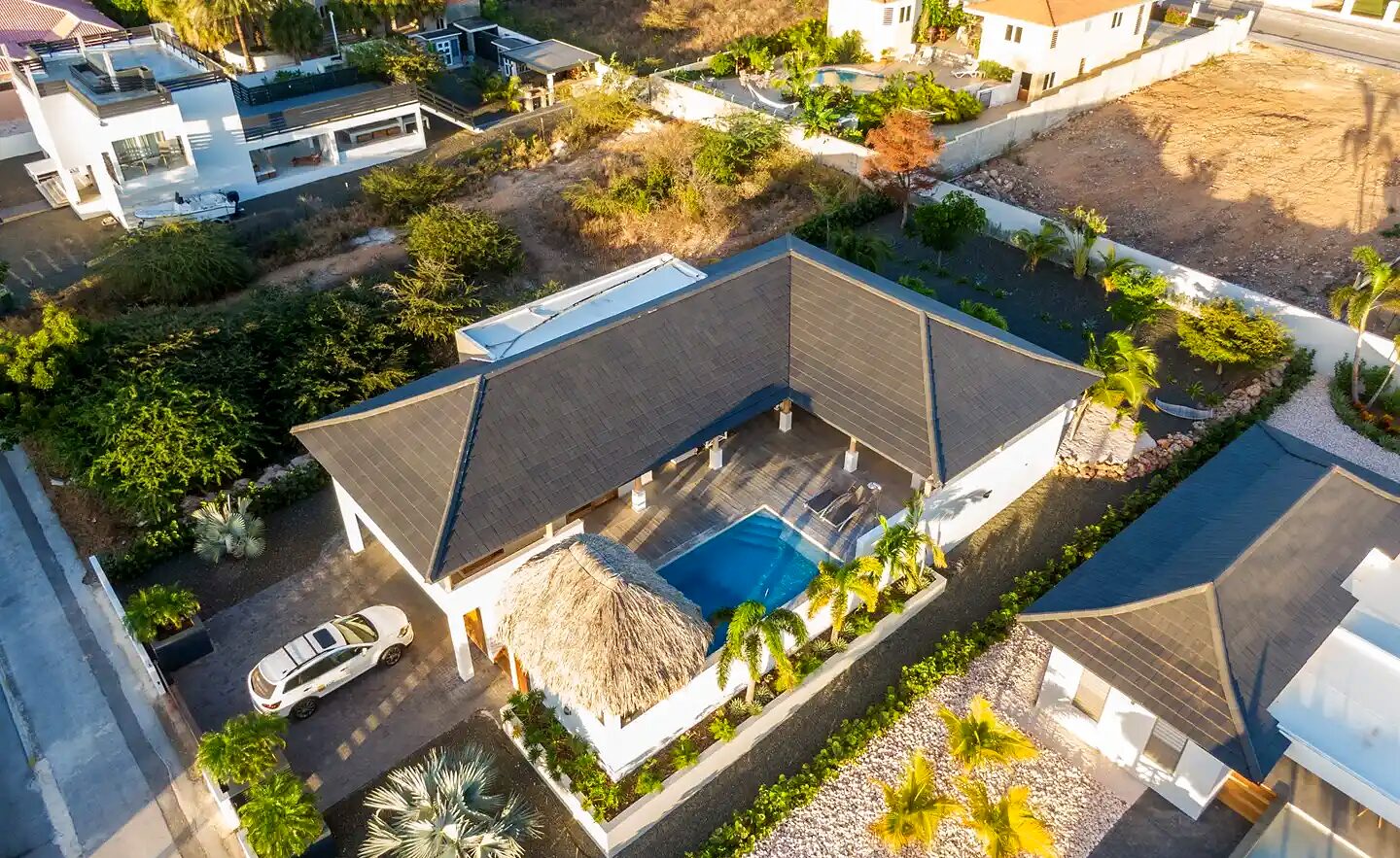
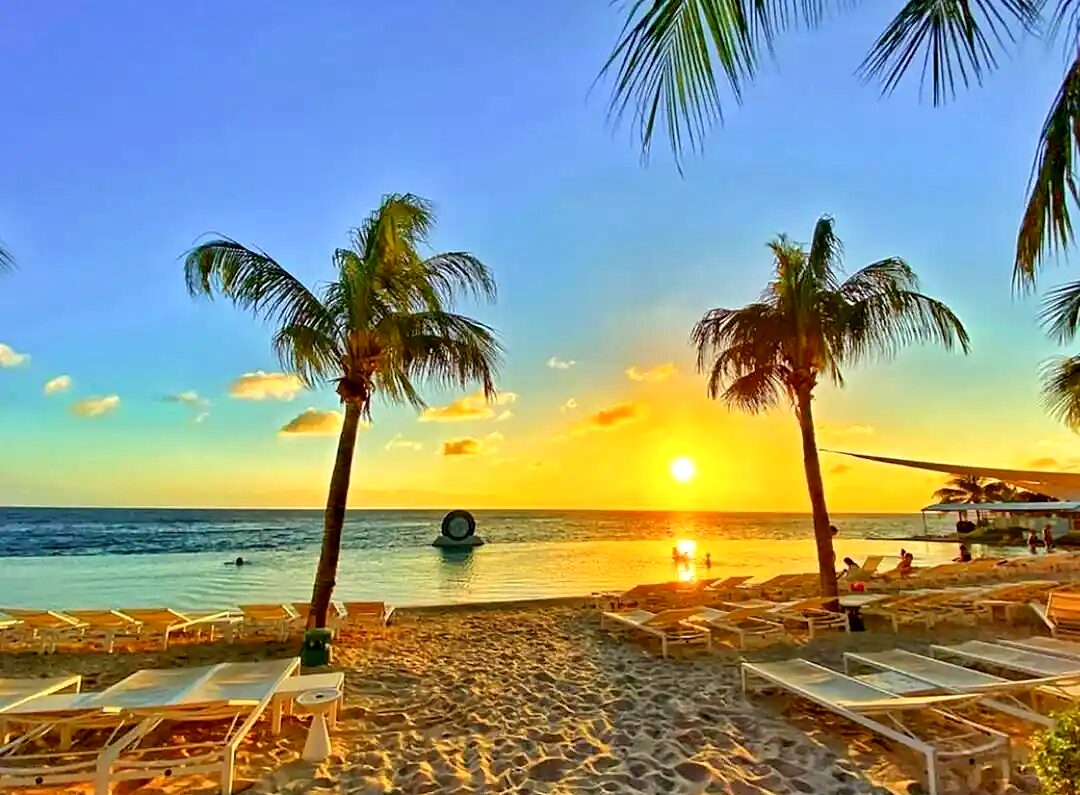
Hato airport is a 25-minute drive. Before you arrive we send directions, the gate code and a short guide to the house. Check-in is in the afternoon and check-out in the morning; if your flight times do not fit, tell us and we will do what we can. Then it is a ten-minute walk down to the beach for your first swim.